
Blog
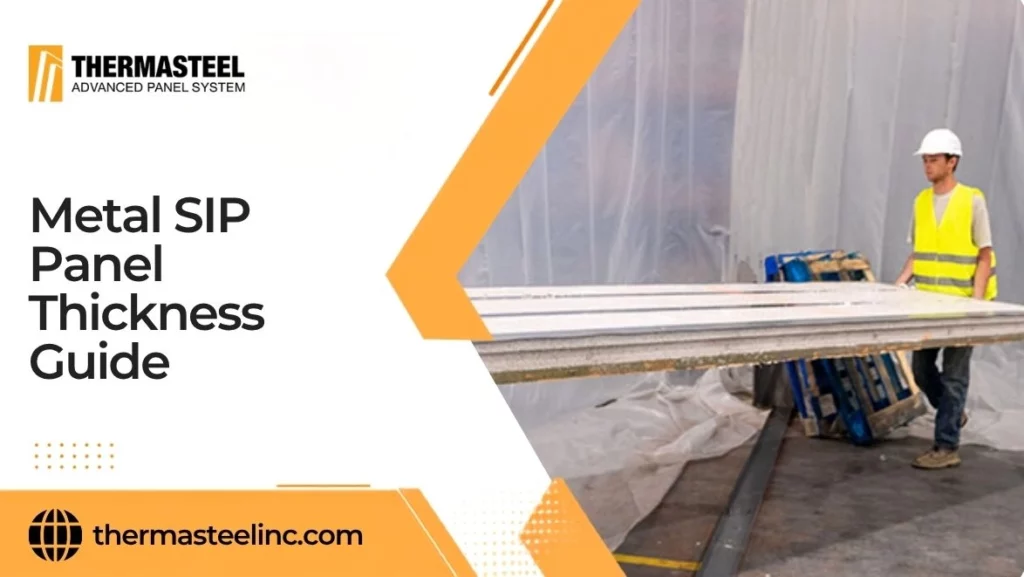
Metal SIP Panel Thickness Guide
Standard panels are available in 3.5 inch, 5.5 inch, and 7.5 inch thicknesses, in sizes up to 4 feet wide and 12 feet tall, to meet specific structural and thermal needs. Selecting the right panel thickness directly answers your project …
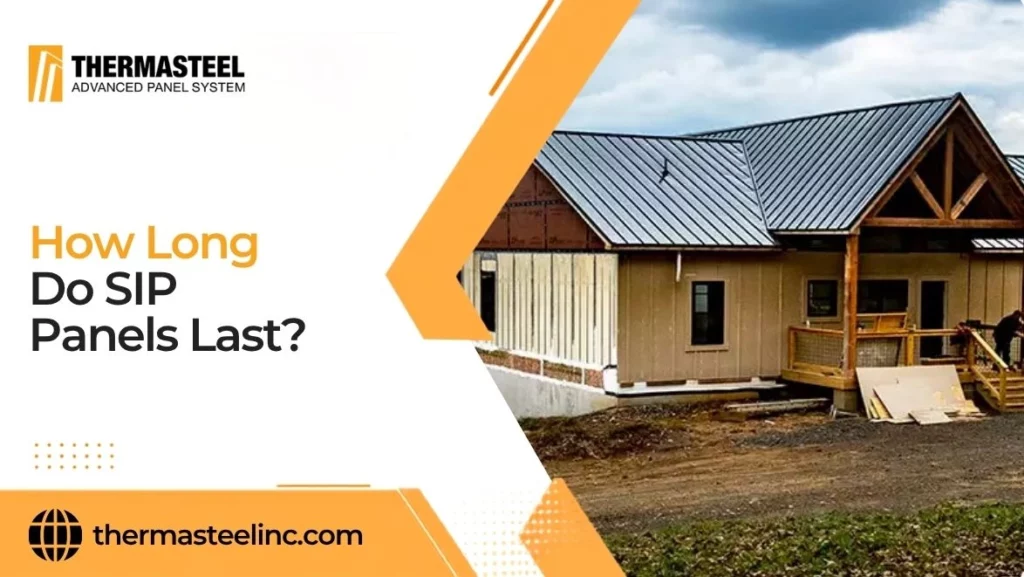
How Long Do SIP Panels Last?
Metal structural insulated panels (SIPs) combine a metal structure, most often galvanized light gauge steel, with a rigid foam core such as expanded polystyrene (EPS). Because neither material is organic, these panels avoid the rot and decay that limit wood …
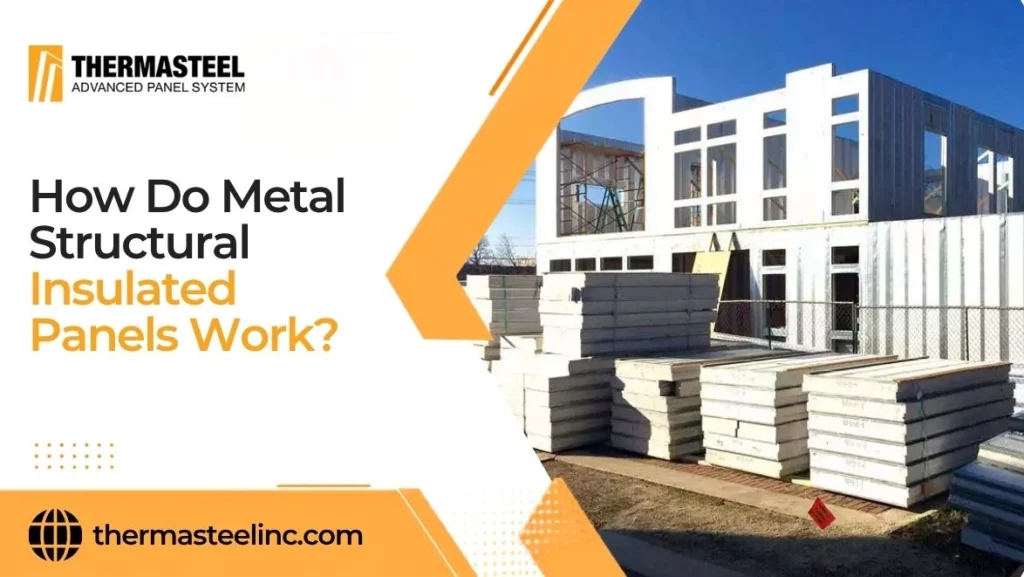
How Do Metal Structural Insulated Panels Work?
Metal structural insulated panels (SIPs) bond light gauge steel framing to a rigid EPS foam core creating one load bearing unit. The steel carries the load. The foam braces the studs, insulates the wall and separates the interior steel from …
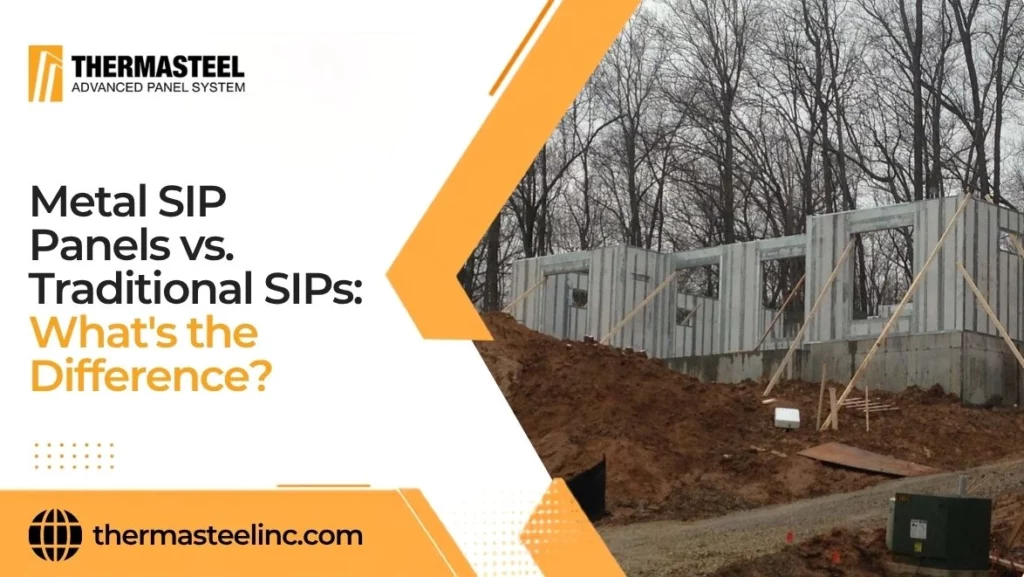
Metal SIP Panels vs. Traditional SIPs: What’s the Difference?
Structural insulated panels can use different facing materials while following similar panelized principles. Metal SIPs use metal-based facings or structural components, while traditional SIPs usually pair rigid foam with OSB facings. That material change affects moisture resistance, fastening methods, pest …
R-Value vs. Thermal Performance
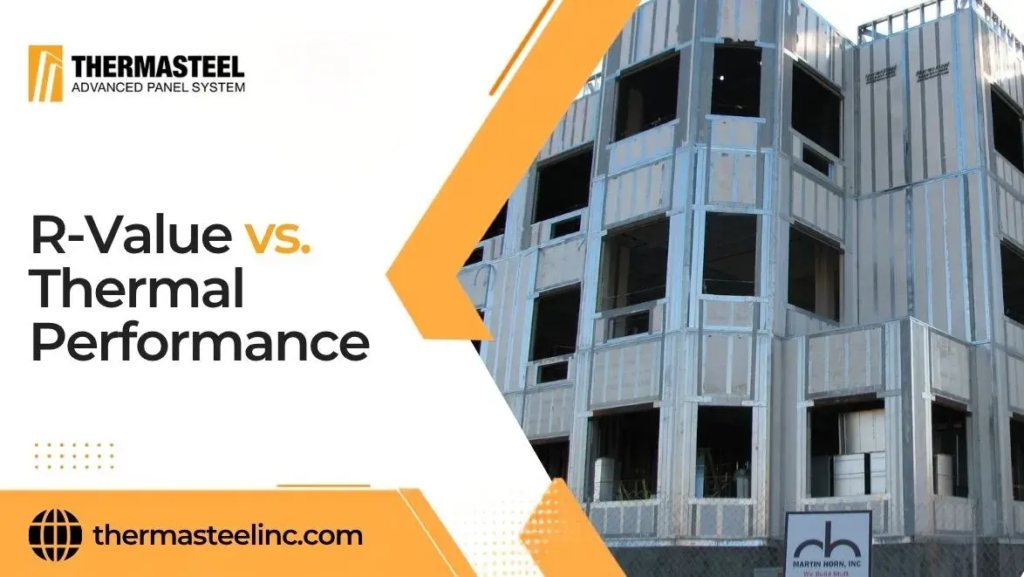
R-value measures a material’s resistance to heat flow—essentially how efficiently heat passes from one side to another. Materials with lower R-values are less effective insulators, while higher R-value materials resist heat flux more effectively over time. A common misconception in …
What Types of Metal Building Panels Are Available?
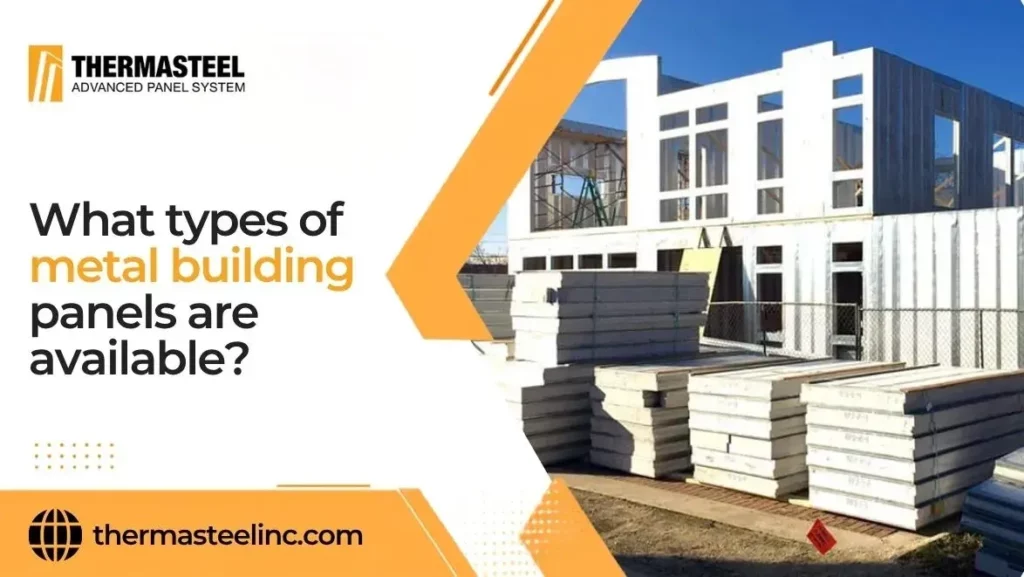
Several metal panel systems are available for different building needs. Common choices include insulated, structural insulated, single-skin, roof, wall and interior systems. Some mainly protect the building from weather, while others add insulation or structural capacity. The right option depends …
Are Metal Building Panels Good for Commercial Buildings
Yes, metal building panels can perform very well across many types of commercial construction. They suit projects that need quick enclosure, durable surfaces, predictable fabrication, and reliable weather protection. Insulated systems can also improve thermal control across broad wall areas. …
What Are Insulated Metal Panels Used For?
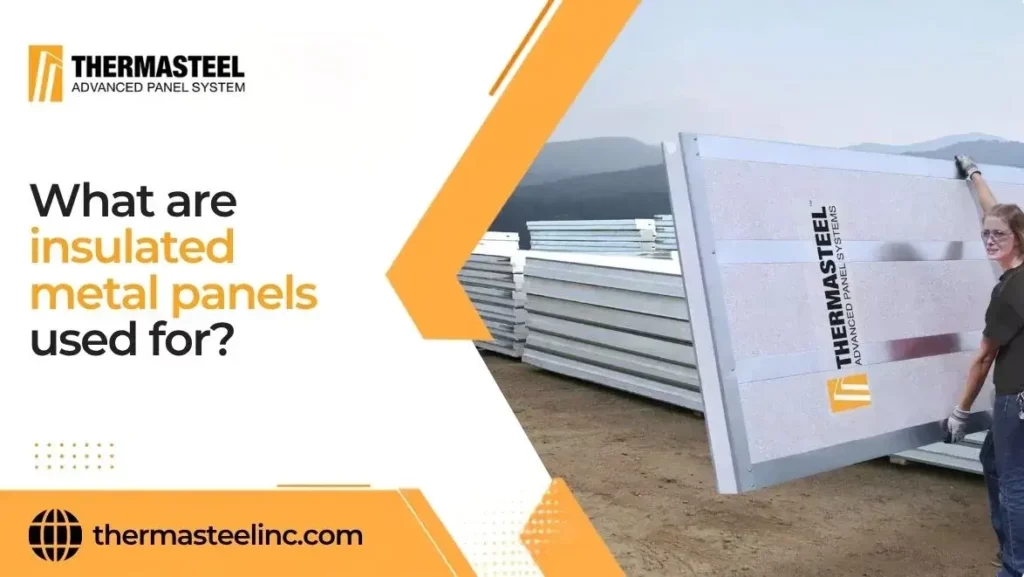
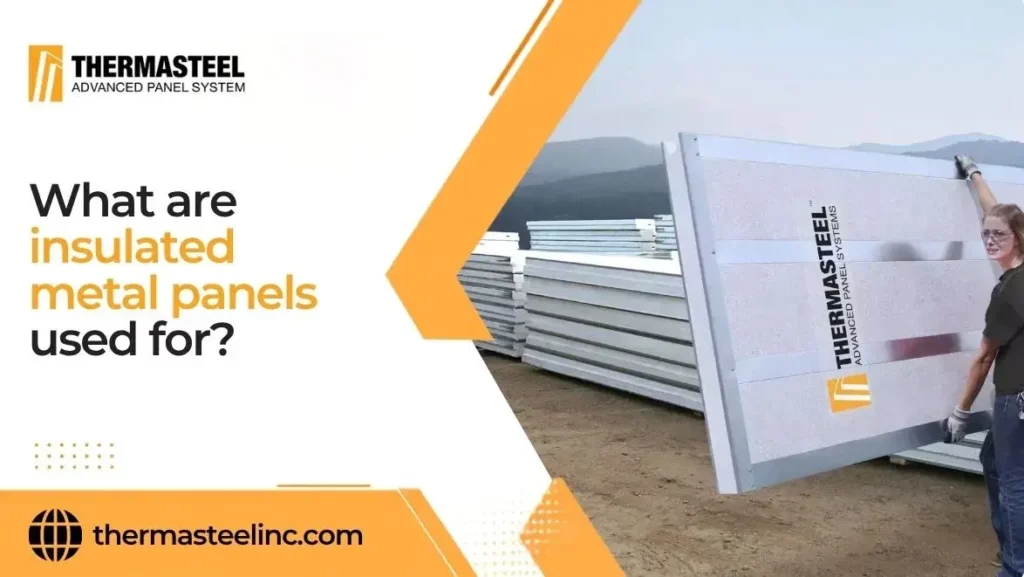
Insulated panels serve walls, partitions, cold storage, and industrial facilities. They combine insulation with durable metal surfaces inside factory-made assemblies. Builders often choose them for thermal control and efficient enclosure. Their metal facings also support weather resistance and lasting durability. …

Alternatives to Traditional Framing: Is It Time to Rethink How We Build?
For more than a century, construction crews have built American houses and small shops with stick-frame carpentry. Builders liked it because everyone on-site already understood the method, it generally used materials that were nationally available, and it was familiar to …
8 Ways To Save Money When Building a Home
Building a home is one of the biggest investments most people will make in their lifetime. It’s exciting to create your dream space, but without careful planning, costs can spiral quickly. The good news? There are plenty of ways to …